
Source: miamitimesonline.com
In the heart of Overtown, a vibrant garden is blossoming, serving not just as a source of fresh produce but as a vital hub for education, community building, and the preservation of Black history.
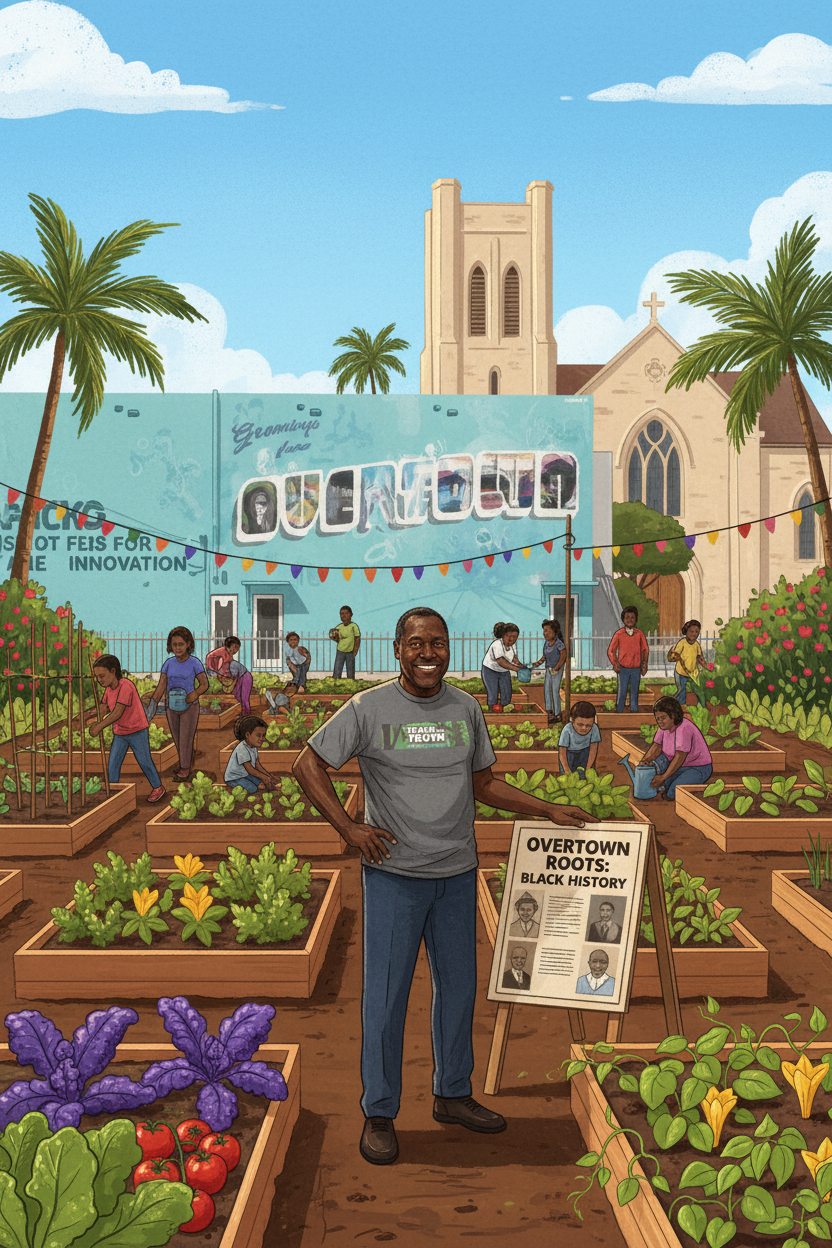
Marvin Dunn has established the Teach the Truth Garden in Miami’s historic Overtown neighborhood, transforming a vacant lot into a thriving space dedicated to cultivating food, Black history, and hope. Located at 937 NW Third Ave., adjacent to the Historic Mount Zion Baptist Church, the garden addresses a noted lack of community-focused green spaces in the area.
A Vision for Growth
Dunn’s initiative is more than just an urban farm; it’s a living testament to the power of community engagement and the importance of connecting with one’s heritage. The garden provides fresh, healthy food for residents while simultaneously offering a unique educational platform. It aims to teach younger generations about agricultural practices, healthy eating, and, crucially, the rich and often overlooked contributions of Black Americans to history.
Cultivating Knowledge and Community
The Teach the Truth Garden offers a space where residents can learn, grow, and connect. It fosters a sense of pride and ownership within Overtown, providing a tangible example of positive revitalization. By integrating educational programs with the act of gardening, Dunn is creating an environment where knowledge is cultivated alongside crops, fostering a deeper understanding of both the natural world and historical narratives. The project embodies a holistic approach to community development, addressing food security, education, and cultural preservation.
Why It Matters Locally
The Teach the Truth Garden in Overtown represents a powerful model for community-driven initiatives that address multiple critical needs simultaneously. In urban environments, particularly in historically significant neighborhoods like Overtown, accessible green spaces are often scarce, impacting both physical well-being and community cohesion. Marvin Dunn’s project directly tackles this by transforming unused land into a vibrant, productive garden.
More than just providing fresh produce, the garden serves as an essential educational resource. It offers a hands-on platform for teaching vital life skills, such as urban agriculture and healthy eating, which can contribute to improved public health outcomes. Simultaneously, it acts as a living museum and classroom for Black history. By integrating historical education with tangible activities, the garden ensures that the stories and legacies of Black Americans are not only remembered but actively celebrated and passed down to future generations. This is particularly crucial in communities where historical narratives may have been marginalized. The garden fosters a sense of place, identity, and empowerment, creating a nurturing environment where residents can cultivate not only food but also knowledge, pride, and a shared sense of hope for their neighborhood’s future. The initiative demonstrates how simple, accessible projects can foster significant positive change, reinforcing community bonds and beautifying the urban landscape.
Our Take
Nurturing Roots: The Significance of Community Gardens in Urban Heritage
Marvin Dunn’s Teach the Truth Garden in Overtown is a compelling example of how urban green spaces can become powerful engines for cultural preservation, education, and community well-being. In a city like Miami, often characterized by rapid development and diverse populations, initiatives that anchor residents to their history and provide tangible benefits are invaluable.
Beyond the Harvest: A Living Classroom
The garden’s name, ‘Teach the Truth,’ immediately signals its dual purpose: cultivating sustenance and disseminating knowledge, specifically Black history. This is a critical endeavor, particularly in historically Black neighborhoods like Overtown, where the preservation and active teaching of heritage are paramount. Dunn has envisioned a space that transcends a typical community garden, transforming it into an open-air classroom. Children and adults alike can engage with the land, learning agricultural techniques while simultaneously absorbing lessons about the contributions and struggles of Black Americans. This approach offers a more profound and memorable way to connect with history than traditional methods, fostering a tangible link between the past, present, and future.
Cultivating Hope in Urban Landscapes
Urban gardens, especially in areas that may face challenges with food access or green space availability, serve as vital pillars of hope. The Teach the Truth Garden, situated across from the Historic Mount Zion Baptist Church, is strategically placed within the community’s core, making it accessible and visible. It provides not only fresh, healthy food—addressing potential food deserts—but also a gathering place. Such spaces are crucial for fostering social cohesion, allowing neighbors to interact, share knowledge, and build stronger relationships. Dunn’s project acts as a visible symbol of positive growth and revitalization, demonstrating that even seemingly small-scale initiatives can cultivate significant positive change and instill a deep sense of pride and belonging within a community.
For the full story please visit: miamitimesonline.com