
Source: patch.com
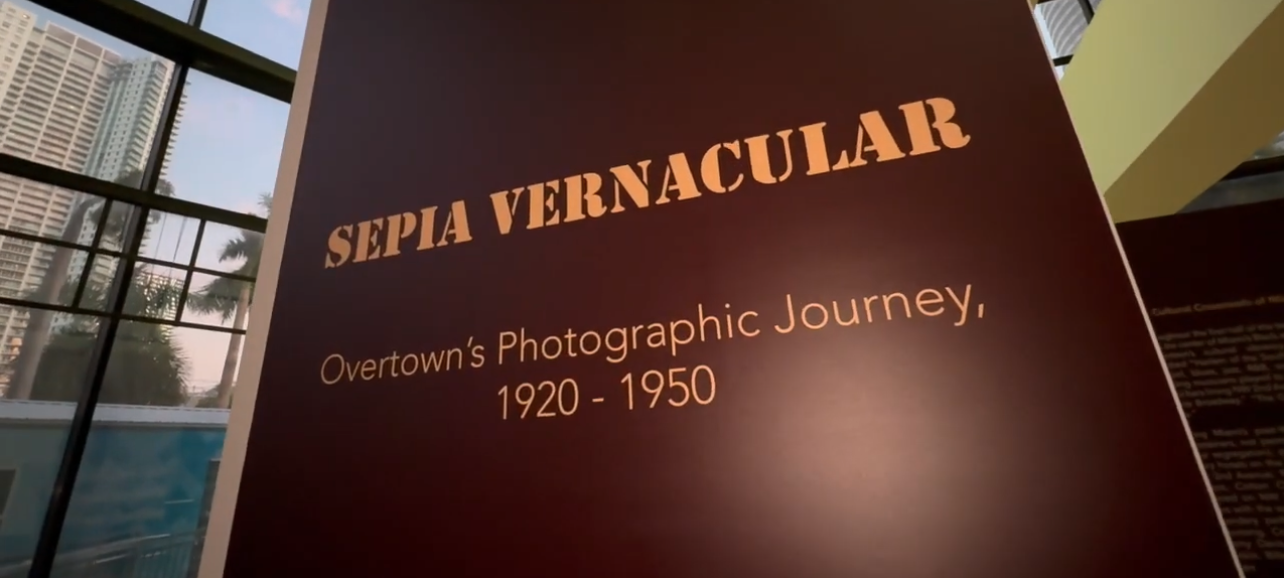
History is often found in the quiet moments captured on film—the smile of a local shopkeeper, the bustle of a family dinner, or the determined stride of neighbors walking down a sun-drenched street. In Miami’s Historic Overtown, these frozen moments are being brought back into the light through a powerful new exhibition entitled ‘Sepia Vernacular.’ Hosted in a beautifully restored landmark, this event invites the public to step through a portal to the past, celebrating the profound cultural foundations laid between 1920 and 1950. It is more than a display of art; it is a homecoming for the stories that shaped a community’s soul. By showcasing the everyday brilliance of a neighborhood that has remained steadfast through decades of change, the exhibition offers an empowering reminder that our collective history is our greatest strength. As visitors walk through the hallowed halls of a building that once served as a hub for civil rights activism, they are invited to see their own heritage reflected in the vintage grain of over eighty archival photographs.
Rediscovering a Vibrant Era through the Lens
In a meaningful tribute to Black History Month, the Southeast Overtown/Park West Community Redevelopment Agency (SEOPW CRA) and the City of Miami Planning Department have collaborated to launch ‘Sepia Vernacular: Overtown’s Photographic Journey, 1920–1950.’ This significant exhibition serves as the inaugural major event for the newly revitalized Lawson E. Thomas Building, a site that holds immense historical weight within the community.
Curators have assembled a collection of more than 80 rare images, many of which have been drawn from the City of Miami’s Planning Department archives. Among the highlights are selections from Max Waldman’s 1947 ‘Color Town’ series. Unlike traditional historical texts that focus solely on major political shifts, these photographs capture the heartbeat of daily life. They document the thriving business districts, the warmth of family portraits, and the architectural character of Overtown during a period of remarkable growth and cultural density.
A Setting Steeped in Justice
The choice of venue is as significant as the art itself. The Lawson E. Thomas Building was once the professional home of its namesake—Miami-Dade County’s trailblazing first Black judge. Judge Thomas was a towering figure in the movement for equality, known for his work securing fair wages for educators and leading early challenges against segregation. The SEOPW CRA recently completed a meticulous restoration of the structure, ensuring that its architectural heritage is preserved while creating a modern space for cultural gathering.
Walking through the exhibit, the connection between the past and the present is palpable. The very offices where justice was once debated now serve as a gallery for the faces of the people who sought it. This transformation turns the building into a ‘living archive,’ where the walls speak to the endurance of the human spirit.
Merging Art, Technology, and Oral Tradition
The experience extends beyond the interior galleries. Outside, a grand mural titled “Veo Veo, I See I See, Mwen wè Mwen wè” by artist Anthony “Mojo” Reed II commands attention. Commissioned by the Miami Museum of Contemporary Art of the African Diaspora (Miami MoCAAD), this interactive artwork integrates modern technology to bridge the generational divide.
Embedded within the mural are QR codes that allow visitors to access recorded oral histories. This layer of digital storytelling ensures that the voices of Overtown’s elders and activists are preserved alongside their visual likenesses. The mural serves as an educational bridge, linking the civil rights victories of Judge Thomas’s era to the aspirations of today’s youth. By combining street art, archival photography, and audio testimony, the exhibition offers a multi-sensory journey through a century of local history.
Why It Matters Locally
The preservation of local history is vital for fostering a sense of belonging and pride within any community. In Overtown, where the narrative has often been overshadowed by broader urban developments, the ‘Sepia Vernacular’ exhibition reclaims the spotlight for the residents who built the neighborhood’s foundation. This event highlights how historic preservation is not just about buildings, but about the people who lived, worked, and dreamed within them.
For communities like Overtown, projects like the restoration of the Lawson E. Thomas Building provide a physical anchor for cultural identity. When a community sees its history honored in a professional, beautiful, and prominent space, it reinforces the value of their shared journey. This exhibition demonstrates that archival records are not just dusty relics; they are tools for education and empowerment. By revealing the ‘underrepresented’ stories of Black Miami, the exhibition ensures that the contributions of Black families, entrepreneurs, and leaders are recognized as central to the city’s overall identity.
Our Take
Looking ahead, the success of ‘Sepia Vernacular’ signals a bright future for the intersection of historic preservation and public art. This exhibition marks a ‘new chapter’ for the Lawson E. Thomas Building, transitioning it from a silent monument to an active cultural hub. As more cities look for ways to honor their diverse histories, Overtown’s model of using restored landmarks to house archival art provides a roadmap for authentic community engagement.
The inclusion of interactive elements like QR-coded oral histories suggests a shift toward more immersive and accessible historical storytelling. This approach ensures that history remains a living, breathing influence on future generations rather than a static lesson from the past. As we move forward, the continued investment in these ‘living archives’ will play a crucial role in maintaining the social fabric of our neighborhoods, ensuring that the legacy of leaders like Judge Thomas continues to inspire resilience and progress for decades to come.
For the full story please visit: patch.com